Digital & Energy Access for Refugees
A pilot combining solar home systems and community smartphones to deliver energy and digital inclusion to refugee and displaced communities in Mali, with a public partner.
Energy insecurity in displacement.
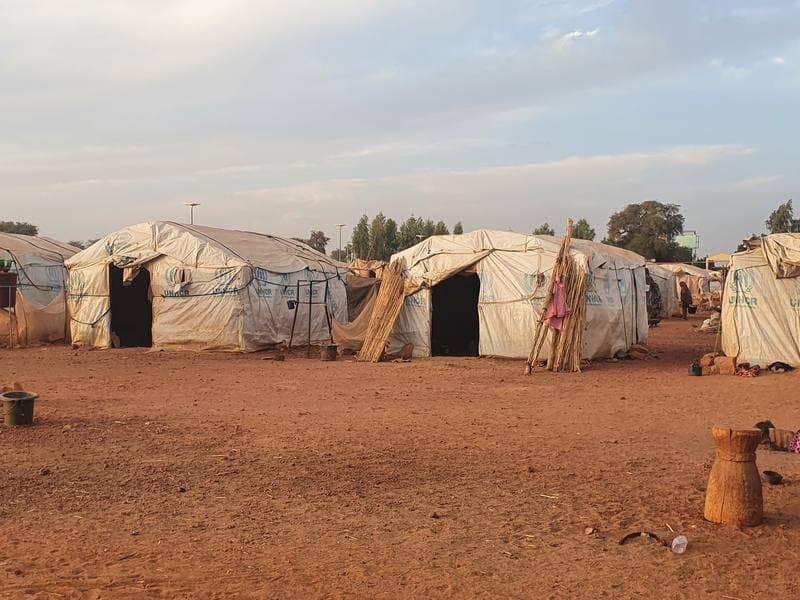
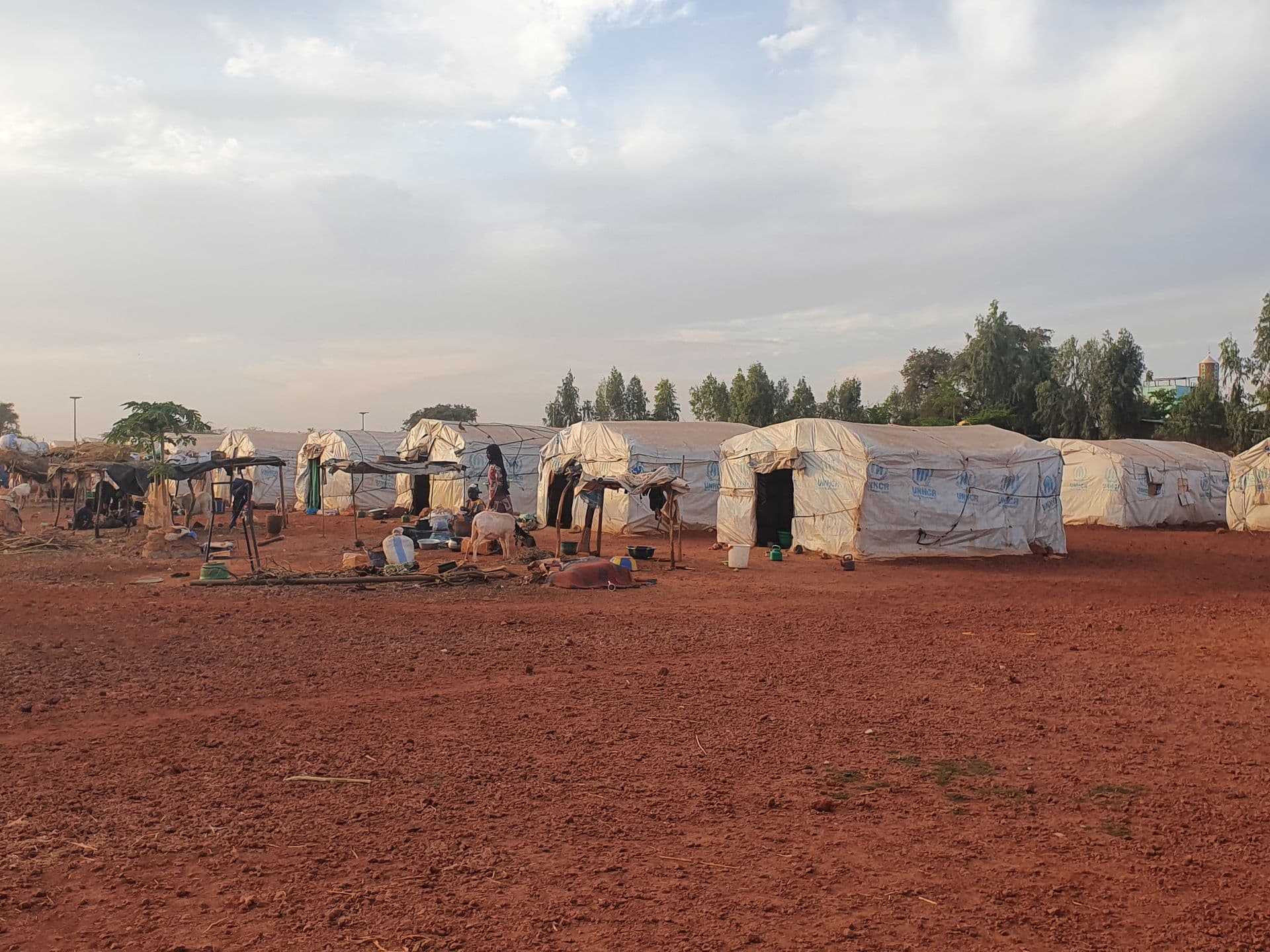
Mali hosts refugees and internally displaced persons. In refugee camps across West and Central Africa, many households have no access to electricity. Lack of energy amplifies health risks, limits education opportunities and compounds digital exclusion, cutting families off from communication, protection services and economic activity.
- Programme
- Energy and digital access for displaced communities
- Technology
- Solar home systems, community smartphones, Moon IO™
Moon supported its public partner in Mali through all phases of a pilot project, from equipment selection to installation, community relay training and after-sales service, combining individual solar home systems with community smartphones and device management expertise.
The challenge
Displacement settings present unique operational constraints: security requirements, community trust-building, limited physical infrastructure, and the specific digital needs of forcibly displaced people. Standard off-grid market approaches designed for settled rural communities do not apply.
What Moon deployed
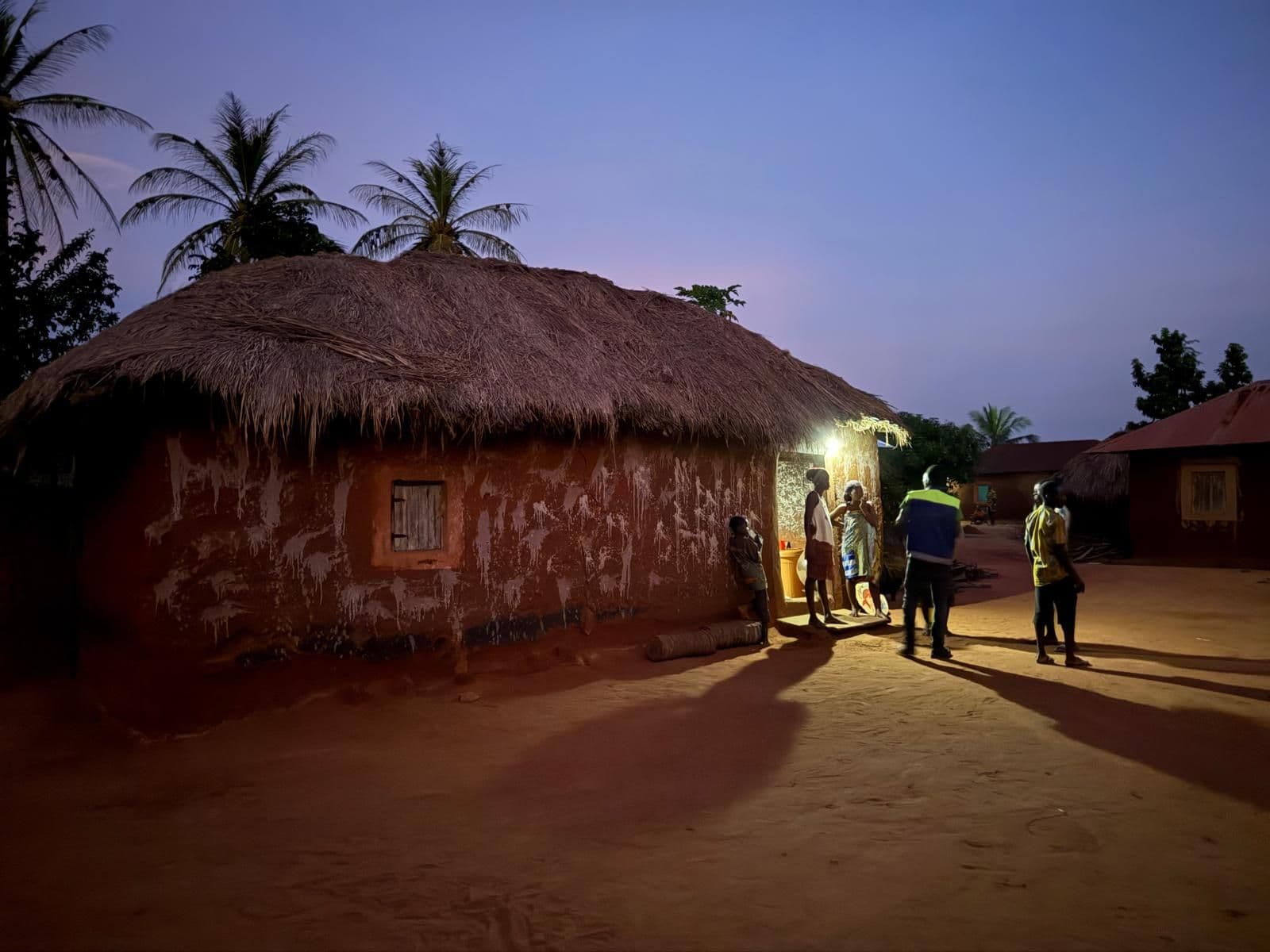
Moon sourced and supplied individual solar home systems with lighting and USB charging. Installation and maintenance tools were shared with trained community relays. Moon also provided technical expertise for community smartphones, covering app management, file synchronisation, data security and content curation. After-sales support, including exchange of faulty equipment, was part of the pilot.
Results
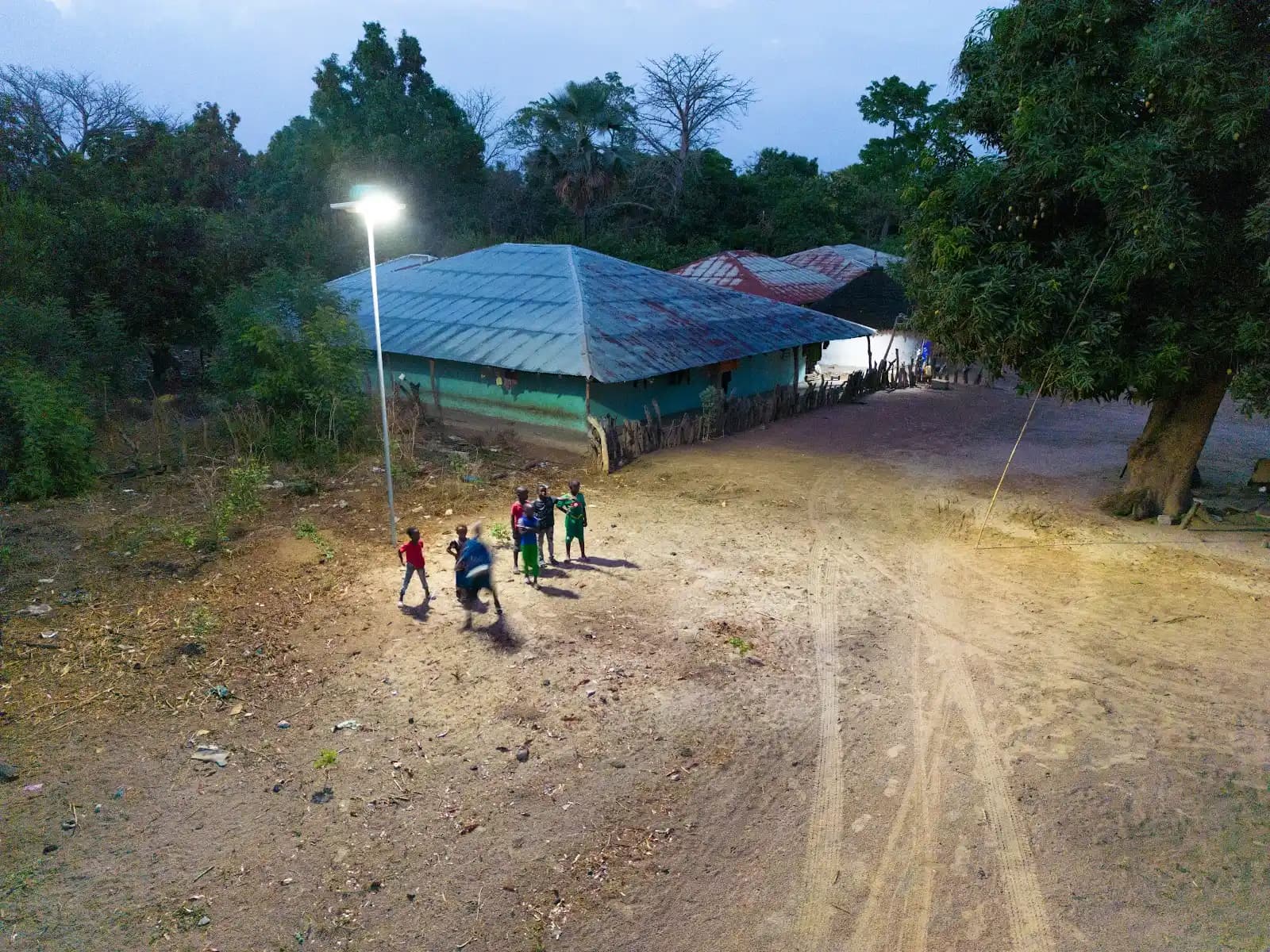
Households in the refugee camps were electrified and community relays were trained. Households reported more economic activity after installation, along with improved education outcomes, indoor air quality and security, and reduced risks of gender-based violence in camps.
What it takes to scale
Scaling energy access in humanitarian settings requires new partnership models. Humanitarian operators manage regulatory and community access, private-sector operators supply, install and maintain, and governments create enabling frameworks. As the duration of exile increases, the energy needs of refugees approach those of any off-grid community, which makes Moon's infrastructure-as-a-service model directly applicable.